Pain is Not Permanent.
Recovery Starts Here.
Whether your pain arrived suddenly or has been there for years, it has a cause - and causes can be treated. Our approach goes beyond temporary relief to find and resolve the root of your pain, so you can move freely and live fully again.
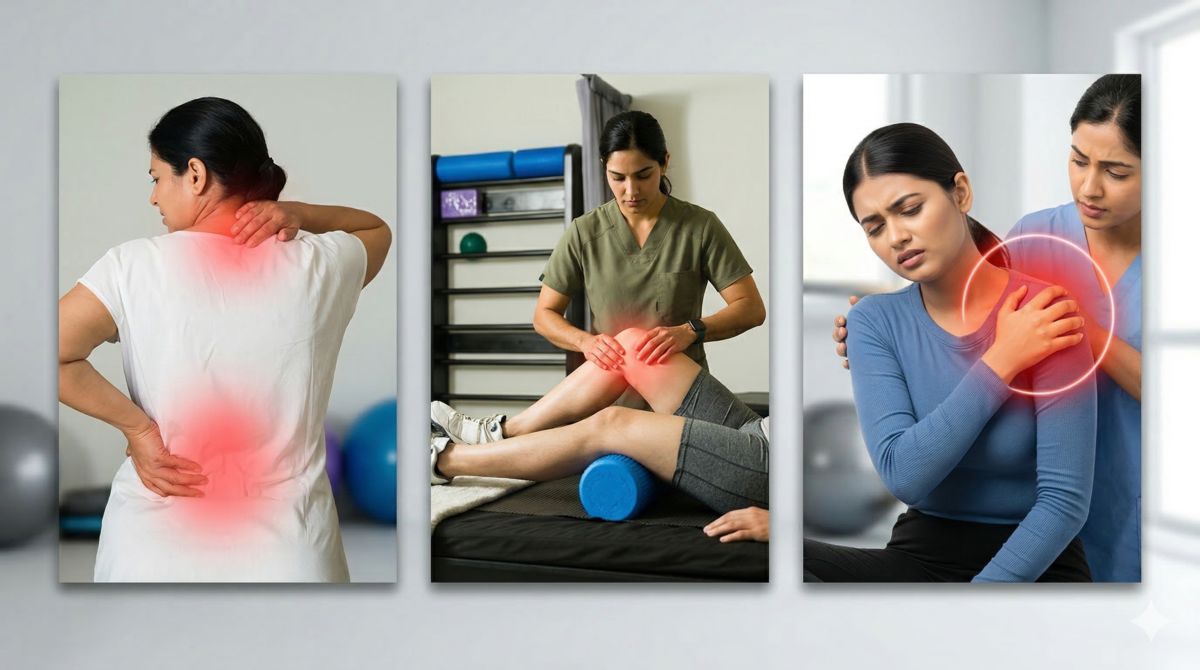
Where Does It Hurt?
Pain We Treat Every Single Day
Wherever your pain is located and however long it has been there, we have treated it before. Here is what we see most - and how we approach each one.
Neck Pain
Cervical Conditions
- Cervical spondylitis and spondylosis
- Cervicogenic headaches and migraines
- Whiplash and soft tissue injuries
- Postural neck strain from screens and desk work
Manual therapy, postural correction and nerve mobilisation to eliminate pain at the source and prevent recurrence.
Back Pain
Lumbar & Spine
- Lower back pain - acute and chronic
- Lumbar disc herniation and prolapse
- Sciatica and radiating leg pain
- Postural back pain and muscle spasm
Core stabilisation, manual therapy and graded movement retraining to resolve pain and build a back that stays strong.
Knee Pain
Joint & Soft Tissue
- Knee osteoarthritis and joint degeneration
- Patellofemoral pain and runner's knee
- Meniscal conditions and ligament strains
- Tendinitis and bursitis around the knee
Load management, quadriceps strengthening and biomechanical correction to eliminate pain and protect the joint long-term.
Shoulder Pain
Rotator Cuff & Joint
- Frozen shoulder and adhesive capsulitis
- Rotator cuff tears and impingement
- AC joint pain and shoulder instability
- Calcific tendinitis and biceps tendon pain
Joint mobilisation, targeted strengthening and range of motion restoration to recover full, pain-free shoulder function.
Specialist Techniques
Advanced Tools for Faster, Deeper Relief
Alongside manual therapy and exercise, we use two highly effective specialist techniques to break the pain cycle faster - applied with precision and only where clinically indicated.
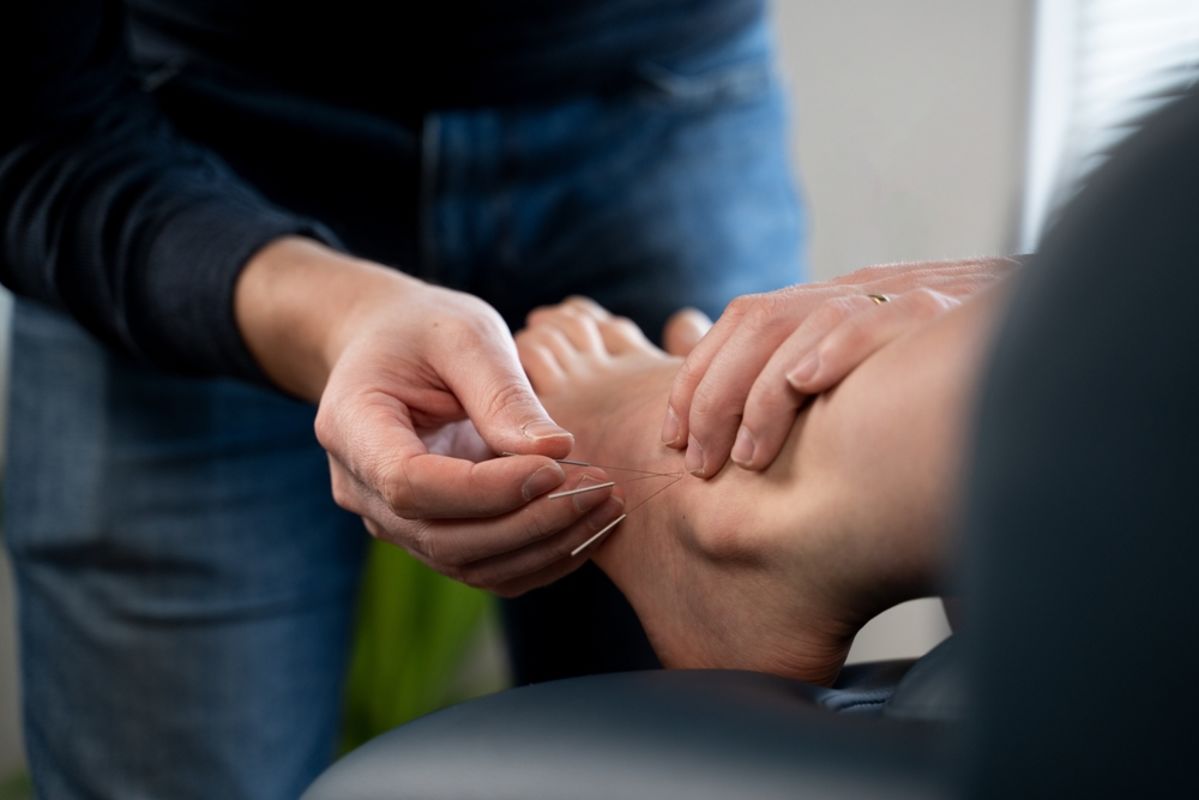
Dry Needling
Fine, sterile needles are inserted precisely into myofascial trigger points - the tight, painful knots in muscle that resist manual release. The needle causes a brief local response that releases the trigger point, rapidly reducing pain, restoring muscle length and improving movement. It is particularly effective for chronic pain conditions that have not responded to conventional treatment alone.

Kinesio Taping
Elastic therapeutic tape applied over and around muscles and joints to provide dynamic support without restricting movement. Kinesio taping lifts the skin slightly to improve circulation, reduce swelling and decrease pressure on pain receptors - providing relief that continues between sessions. It is used to support injured tissues during recovery, correct postural patterns and help patients stay active while healing.
Pain Conditions Neck, Back, Knee, Shoulder
How We Treat Pain
From First Session to Lasting Freedom
Our approach to pain treatment is built on three principles - find the cause, treat it directly, and build a body that does not let the pain return.

You Do Not Have to Live with Pain
Most Pain Has a Cause.
Most Causes Have a Solution.
Chronic pain is not inevitable and it is not something you should simply accept. In the vast majority of cases, there is a clear, treatable reason for your pain - and a structured physiotherapy programme can resolve it. The question is not whether recovery is possible. It is when you choose to start.
Patients Treated Across Bangalore
Over 5000 patients have walked through our door in pain and walked out without it. Each one received a programme built specifically for their condition, their body and their life.
Years Resolving Complex Pain
Dr. Shubhashini has spent 17+ years treating pain conditions that others have struggled to resolve - including chronic pain that patients were told was permanent. It rarely is.
Direct Care in Every Single Session
You will never be seen by an assistant or a student. Every session is conducted personally by Dr. Shubhashini - the expertise you came for, present every time.
FAQs
Common Questions About Pain Treatment
Questions we hear every day - answered honestly.
This depends on the condition, its severity and how long it has been present. Acute pain conditions - recent onset, clear cause - often respond well within 4 to 8 sessions. Chronic conditions that have been present for months or years generally require a longer, structured programme. After your initial assessment, we will give you a realistic and honest estimate of what to expect and how long your recovery is likely to take. We do not overstate results or extend treatment unnecessarily.
If it is affecting how you move, sleep, work or enjoy your life - yes, it warrants professional attention. Many people delay seeking treatment because they assume back pain will go away on its own, or because they feel it is not "bad enough" for physiotherapy. The reality is that early intervention for back pain leads to much better outcomes than waiting until the condition becomes chronic. If pain has been present for more than two to three weeks, or if it is recurring, please do not wait.
In most cases, yes - though chronic pain requires a different approach than acute pain. Long-standing pain conditions involve not just the original injury site but also compensatory movement patterns, muscle weakness and sometimes central sensitisation. Our assessment is designed to untangle all of these layers. While we cannot promise a specific outcome without assessing you first, we have achieved meaningful and lasting results for many patients who had been in pain for years before coming to us.
Most patients find dry needling produces a brief, dull aching sensation when the needle contacts an active trigger point - this is the therapeutic response we are aiming for. It is not the sharp pain associated with an injection. The sensation typically lasts only a few seconds. After treatment, some patients experience mild soreness in the area for 12 to 24 hours - similar to post-exercise soreness - which is a normal part of the healing response. Dry needling is only recommended and applied where it is clinically appropriate for your specific condition.
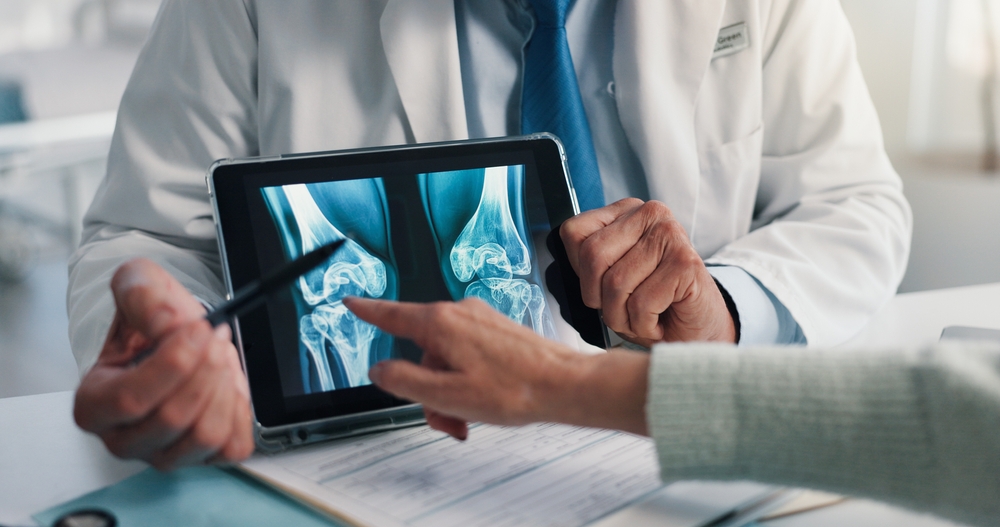
Not required, but helpful if you have them. Imaging reports provide useful context for disc conditions, arthritis and structural findings. However, many pain conditions are diagnosed and managed effectively through a thorough clinical assessment without imaging. Our evaluation of your movement, strength and symptom behaviour will often tell us more about the source of your pain than an X-ray or MRI alone. Please bring whatever reports you have - we will use them as part of the full picture.
Take the First Step
Stop Managing Pain. Start Ending It.
Book your assessment today. We will find the cause of your pain, explain it clearly and design a programme that resolves it - so you can get back to the life you want to live.